What is a Bad Company Culture? And What Should Leaders Do If Their Culture is Bad
As a leader (right or wrong), you are held responsible for the bad (or worse) culture you tolerate
Defining a Detrimental Culture
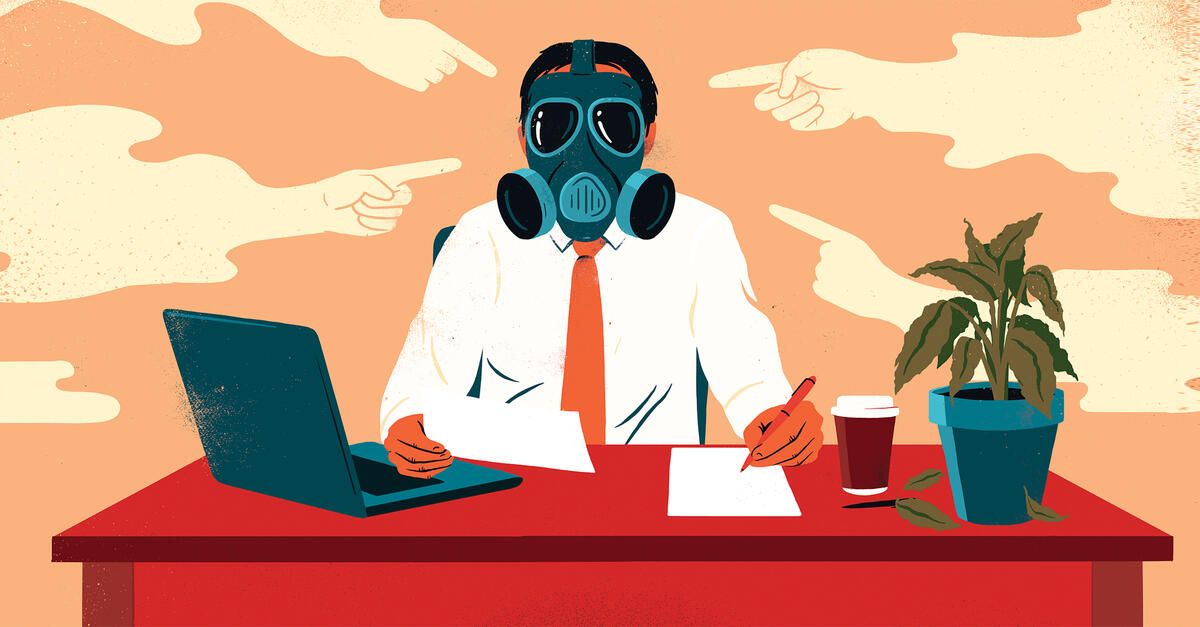
A bad company culture is fundamentally one where talented employees cannot flourish. The detrimental effects manifest as decreased productivity, employee dissatisfaction, and ultimately, high turnover, which damages the organization’s sustainability. Leaders often fail to see the culture objectively, relying on marketing language (the “About Us” page) instead of facing qualitative or quantitative evidence. When talented employees leave for a better culture, executives too often dismiss them as “not team players,” resulting in a workforce composed of those who merely tolerate the bad culture because they lack better career options.
Employee-Driven Indicators of a Toxic Environment
Even when leaders are blind to the problem, employees express their frustration through clear behavioral indicators. High Employee Turnover is a primary sign, indicating the environment isn’t respectful enough to retain top talent. Low Employee Referrals (under 10% of candidates) signal a poor culture, as employees won’t recommend friends to a bad workplace. Furthermore, Low Employee Engagement means staff are only working for a paycheck, which stifles innovation and productivity. A failure to address Unresolved Negative Feedback—often from the employees who care the most—rapidly erodes a positive culture.
Systemic Organizational Flaws and the Urgency of Action
Leaders can also look for organization-wide issues that signal a sick culture. Continuous Conflict becomes contagious when there is a lack of accountability for respecting others’ work, leading to entrenched sides and a toxic environment. Failure to Communicate results in departmental silos and cliquish sub-cultures that cannot collaborate effectively. Other issues include higher-than-normal absenteeism, acceptance of unethical behaviors, and senior leaders who resort to micro-management instead of inspiring their teams. When a company exhibits three or more of these systemic symptoms, immediate action is required.
The Organizational Constitution: Defining the Future Culture
The first step in fixing a flawed culture is formally defining the desired culture in writing through an Organizational Constitution. This document defines the company in three parts: its Servant Purpose (its reason for being other than profit); its core Values and Behaviors (tangible, measurable terms that clarify how values are lived daily); and its Strategies and Goals. Once this constitution is written and socialized, it sets clear expectations for every team member and leader, allowing contributors to make an informed choice about whether they can align with the defined culture.
Actionable Steps: Asking, Listening, and Modeling
After defining the culture, leaders must engage in Constructive Culture Conversations by sincerely asking influential employees what it is really like to work there. Leaders must actively listen to this feedback and observe non-verbal cues. Additionally, objective quantitative data, collected through surveys that rate leaders’ alignment with the defined values and behaviors, helps identify areas needing the most significant improvement. Ultimately, culture change is not achieved by “Management by Announcement” but by leaders modeling the desired behaviors relentlessly over time to overcome deep employee skepticism and drive sustainable change.